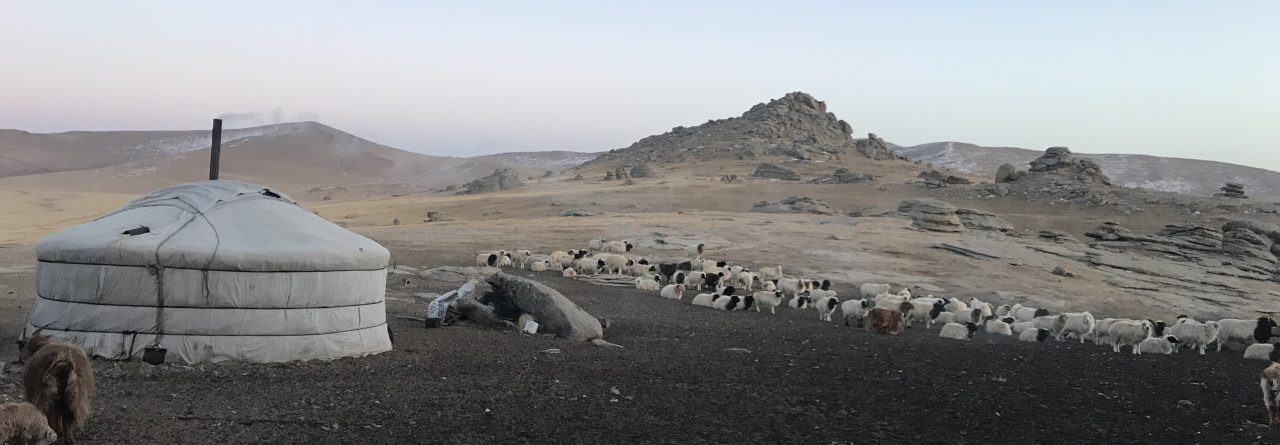
Here are some more useful phrases in northeastern Chinese or dongbei hua (东北话) for you to dazzle locals with at the park or even at the annual ice festival in Harbin. 抽冷子 chōu lěng zi 突然: Suddenly 她抽冷子跑了。 打小儿 dá xiǎor 从小: From childhood, from a young …
Category: Language
My Chinese Language Toolkit: Proverbs
When learning Chinese, try to imagine every character, phrase, and idiom like a guidebook into the cultural thought and mind of one of the world's oldest civilizations. I tend to view Chinese proverbs as the seeds that have sprouted out of of socio-linguistic and cultural soil of the language, culture, and philosophy that are available …
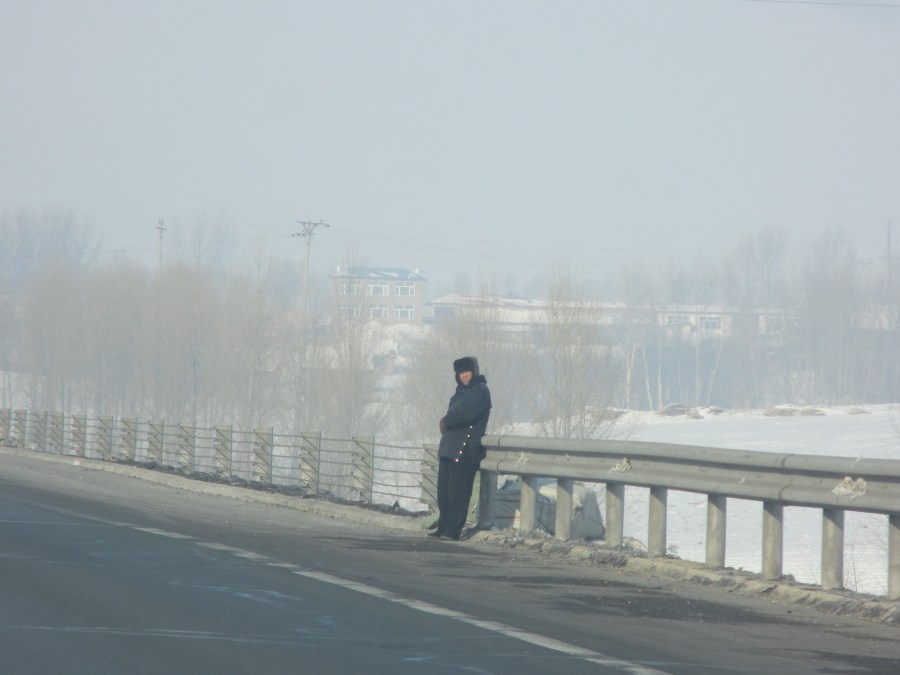
Learn Northeastern Chinese
Learning how to speak Northeastern Chinese can be a lot of fun. However, I bet some of you may be wondering whether if it is worth the time and effort...especially since Chinese is already a hard language to learn. However, if you are interested in learning about another region of China, then learning northeastern mandarin …

Introduction to Northeastern Chinese
Northeastern Mandarin or 东北话 (Dongbei hua) is a regional dialect of Mandarin Chinese. It is a dialect famously known the consistent use of erhuayin (儿化音) or addition of an “er” sound at the end of each word. Northeastern Mandarin is often considered comical and crude by Chinese speakers south of the Jilin provincial border. I …

Reading Chinese for Intermediate and Advanced Learners
子曰。學如不及、猶恐失之。 The Master said, “Learn as if you will never catch up, and as if you feared losing what you already attained.” - Confucius' Analects (8.17) If you are a learner of Chinese but find yourself caught within the liminal void between intermediate and advanced reading proficiency, then this post should help you. I offer …
Continue reading Reading Chinese for Intermediate and Advanced Learners
Quechua: Tips and Tricks II
To get used to reading and writing in Quechua, I recommend that you start drafting an introduction about yourself to memorize and later recite. This is extremely necessary to have memorized, especially for those rainy days when you suddenly don't remember grammar rules or your mind is caught up with studying another language. I have …

Quechua: Tips and Tricks
Music is another great way to master the fundamentals of a language. It is also something that brings people together in smiles and laughter. Listening to music in a target language can helps a learner obtain well-rounded vocabulary lists, spoken mastery, cultural knowledge, as well as being able to impress locals and possibly entice them …

Learn Quechua: Suffixes
Pasaykamuy! Welcome! Quechua, like Mongolian and other Turkic languages, is an agglutinative language. The grammar of Quechua is built up of many suffixes that are usually attached to certain verb roots and nouns. Suffixes are essentially the building blocks for navigating information and direction in Quechua. You can also download the PDF of the Quechua …
Learn Quechua: Verbs
From my studies of Quechua, I quickly realized that the best way to acquire basic conversational proficiency in the language to was to immerse myself in the suffixes and verb conjugations. My study plan: Learn most commonly used verbs and suffixes.Memorize and practice how to conjugate verbs. Write and recite sentences and/or dialogues using conjugations …

Introduction to Quechua
Pasaykamuy! Welcome! The Quechua language or Runasimi (Runa= people +simi= language) is an indigenous language commonly spoken in the Andes. It is the official language of Perú and Bolivia alongside the Spanish and Aymara languages. Where Quechua is spoken in Peru. Image taken from Wikipedia In 2017, I had the opportunity to travel to Cuzco, …
 Tales of a Wandering Ghost
You must be logged in to post a comment.