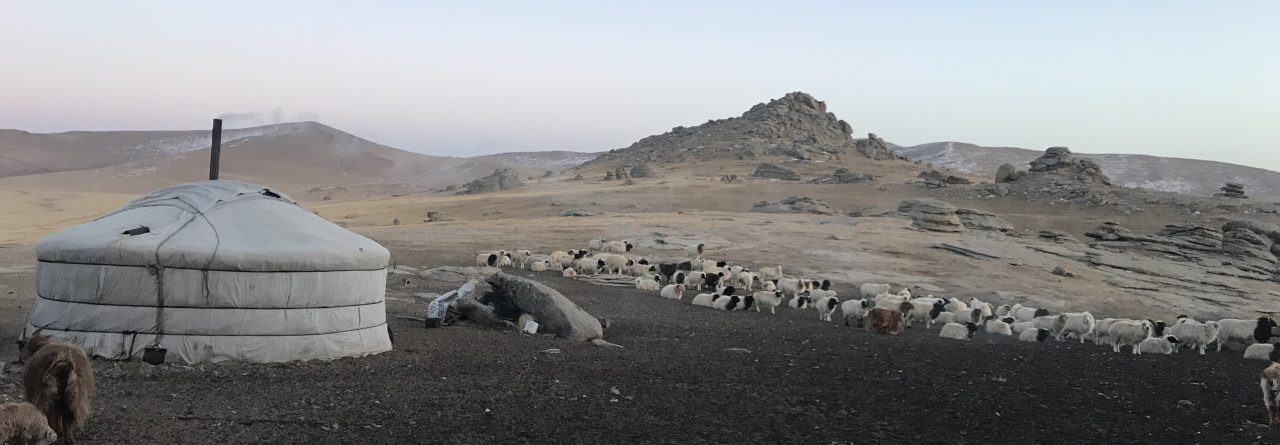
A Mongolian Folktale: The Turtle

Монгольская Народная Сказка A Mongolian Folktale 蒙古民间传说 This Mongolian folktale is about a lone turtle who was cast away onto unknown land by a vicious storm in the sea. The turtle then met with a blind frog who lived in a well. A frog who was unknowing of the world beyond the well he lived …

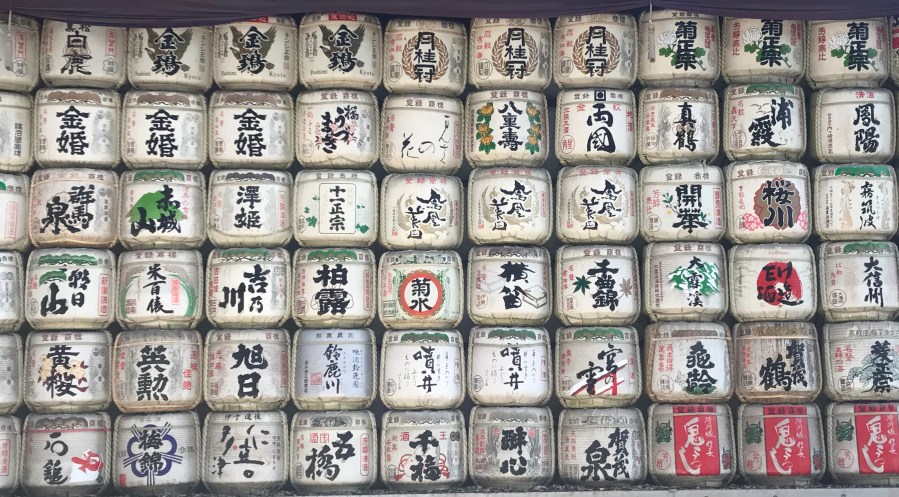
Continue reading A Mongolian Folktale: The Turtle

Travel Safety Tips for Female Students Abroad Part 1.

If you are always trying to be normal, you will never know how amazing you can be- Maya Angelou Traveling alone is a risky but also an exciting and rewarding endeavor. If solo travel is done with the right amounts of care, attentiveness, and enthusiasm it can lead to thrilling and life-enhancing experiences. Junior year …

Continue reading Travel Safety Tips for Female Students Abroad Part 1.

A Kyrgyz Folktale: The Hawk and the Owl

Кыргызская Народная Сказка A Kyrgyz Folktale  吉尔吉斯民间故事 This folktale is like an Aesop’s Fable about how two anthropomorphized animals deal with moral challenges of survival and empathy. In this story, a hawk nursed a sick owl back to health. After a failed hunt prior to the owl's recovery, the owl then tried to kill the …

Continue reading A Kyrgyz Folktale: The Hawk and the Owl

Reading Chinese for Intermediate and Advanced Learners

子曰。學如不及、猶恐失之。 The Master said, “Learn as if you will never catch up, and as if you feared losing what you already attained.” - Confucius' Analects (8.17) If you are a learner of Chinese but find yourself caught within the liminal void between intermediate and advanced reading proficiency, then this post should help you.  I offer …

Continue reading Reading Chinese for Intermediate and Advanced Learners

Quechua: Tips and Tricks II

To get used to reading and writing in Quechua, I recommend that you start drafting an introduction about yourself to memorize and later recite. This is extremely necessary to have memorized, especially for those rainy days when you suddenly don't remember grammar rules or your mind is caught up with studying another language. I have …

Continue reading Quechua: Tips and Tricks II

Stereotypes as Cherished Traveling Partners: The Good and the Evil

If only there were evil people somewhere insidiously committing evil deeds and it was necessary to separate them from the rest of us and destroy them. But the line dividing good and evil cuts through the heart of every human being. And who is willing to destroy a piece of his own heart? - Alexander …

Continue reading Stereotypes as Cherished Traveling Partners: The Good and the Evil

Quechua: Tips and Tricks

Music is another great way to master the fundamentals of a language. It is also something that brings people together in smiles and laughter. Listening to music in a target language can helps a learner obtain well-rounded vocabulary lists, spoken mastery, cultural knowledge, as well as being able to impress locals and possibly entice them …

Continue reading Quechua: Tips and Tricks

Learn Quechua: Suffixes

Pasaykamuy! Welcome! Quechua, like Mongolian and other Turkic languages, is an agglutinative language. The grammar of Quechua is built up of many suffixes that are usually attached to certain verb roots and nouns. Suffixes are essentially the building blocks for navigating information and direction in Quechua. You can also download the PDF of the Quechua …

Continue reading Learn Quechua: Suffixes

Learn Quechua: Verbs

From my studies of Quechua, I quickly realized that the best way to acquire basic conversational proficiency in the language to was to immerse myself in the suffixes and verb conjugations. My study plan: Learn most commonly used verbs and suffixes.Memorize and practice how to conjugate verbs. Write and recite sentences and/or dialogues using conjugations …

Continue reading Learn Quechua: Verbs