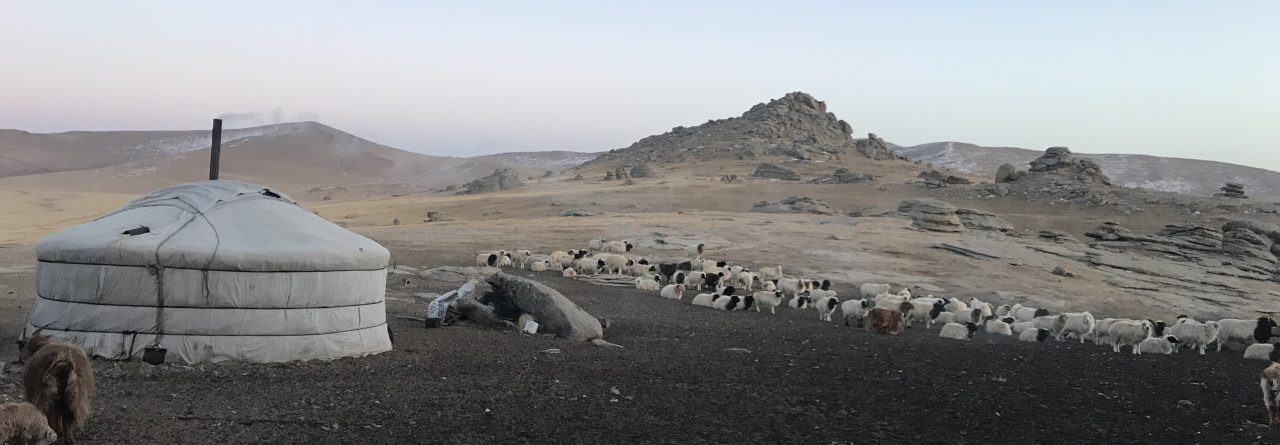
Here are some more useful phrases in northeastern Chinese or dongbei hua (东北话) for you to dazzle locals with at the park or even at the annual ice festival in Harbin. 抽冷子 chōu lěng zi 突然: Suddenly 她抽冷子跑了。 打小儿 dá xiǎor 从小: From childhood, from a young …
Author: The Wandering Ghost
My Chinese Language Toolkit: Proverbs
When learning Chinese, try to imagine every character, phrase, and idiom like a guidebook into the cultural thought and mind of one of the world's oldest civilizations. I tend to view Chinese proverbs as the seeds that have sprouted out of of socio-linguistic and cultural soil of the language, culture, and philosophy that are available …
About Northeastern China
Northeastern China is made up of three provinces: Heilongjiang, Liaoning, and Jilin. Once upon a time, this region was called Manchuria. Manchuria In this post, I share a few of cultural facts and elements of this cherished region. Famous sites The Harbin Fire and Ice Festival is an annual event in Harbin city, Heilongjiang city. …
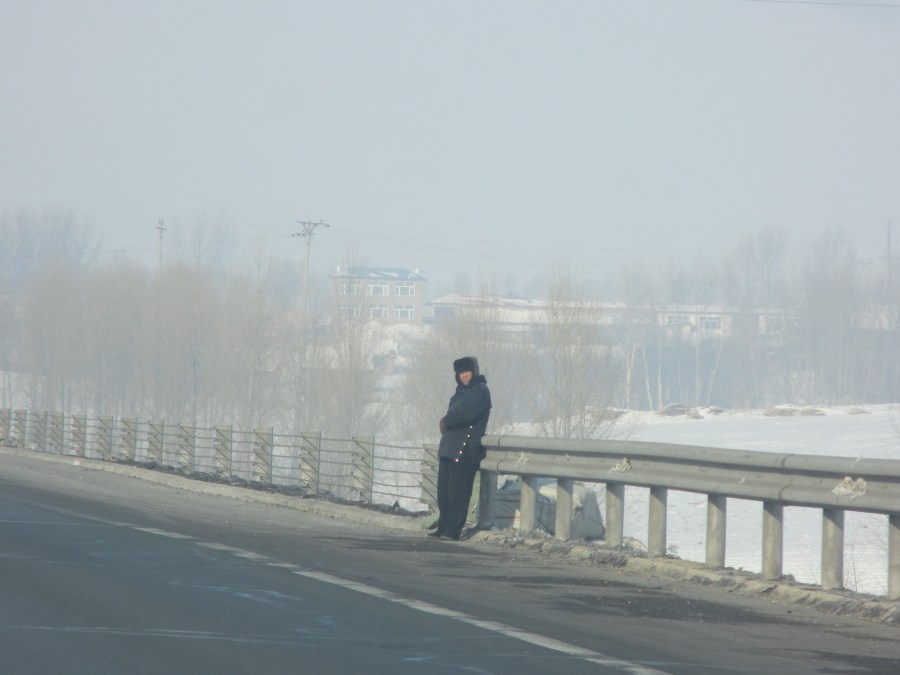
Learn Northeastern Chinese
Learning how to speak Northeastern Chinese can be a lot of fun. However, I bet some of you may be wondering whether if it is worth the time and effort...especially since Chinese is already a hard language to learn. However, if you are interested in learning about another region of China, then learning northeastern mandarin …
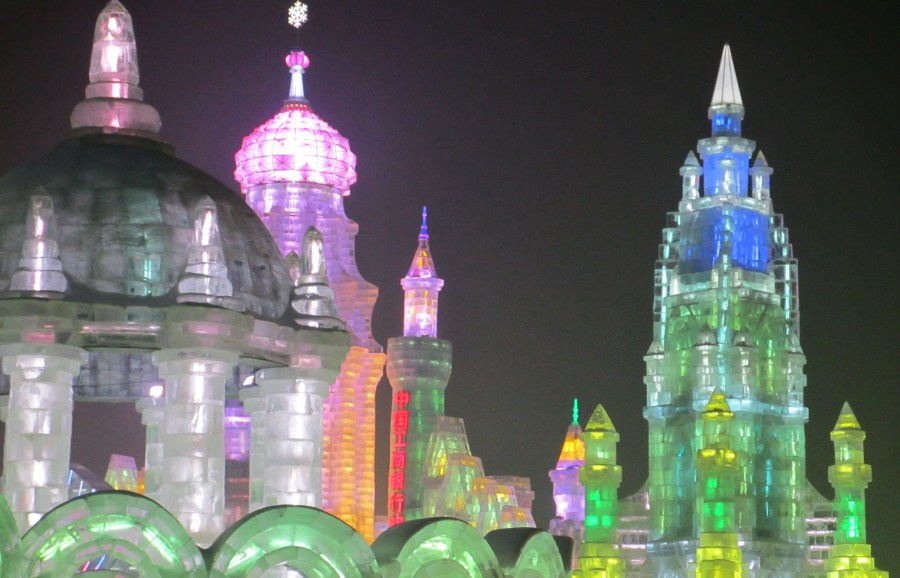
Introduction to Northeastern Chinese
Northeastern Mandarin or 东北话 (Dongbei hua) is a regional dialect of Mandarin Chinese. It is a dialect famously known the consistent use of erhuayin (儿化音) or addition of an “er” sound at the end of each word. Northeastern Mandarin is often considered comical and crude by Chinese speakers south of the Jilin provincial border. I …
Strange Tales from a Chinese Studio: Yaksha Country Part 1.
In this series of blog posts, I will be sharing the English translation of Yaksha Country (夜叉國), a tale from Strange Stories from a Chinese Studio (聊齋誌異) by Pu Songling (蒲松齡). I have translated this story from the original classical Chinese text. However, please remember that no translation is perfect, especially when it comes to …
Continue reading Strange Tales from a Chinese Studio: Yaksha Country Part 1.
Translating Chinese: Book Review on the Huaxia
In this post, I am sharing the translation of a book review that I wrote in Chinese. I reviewed the book (华夏变绿-历史记忆与族群认同) “On Chinese Borderlands- Historical Memory and Ethnic Identity” by Wang Mingke (王明珂) Image of book from github. 华夏边绿书评 Book Review of Wang Mingke's Book: On Chinese Borderlands: Historical Memory and Ethnic Identity. This …
Continue reading Translating Chinese: Book Review on the Huaxia
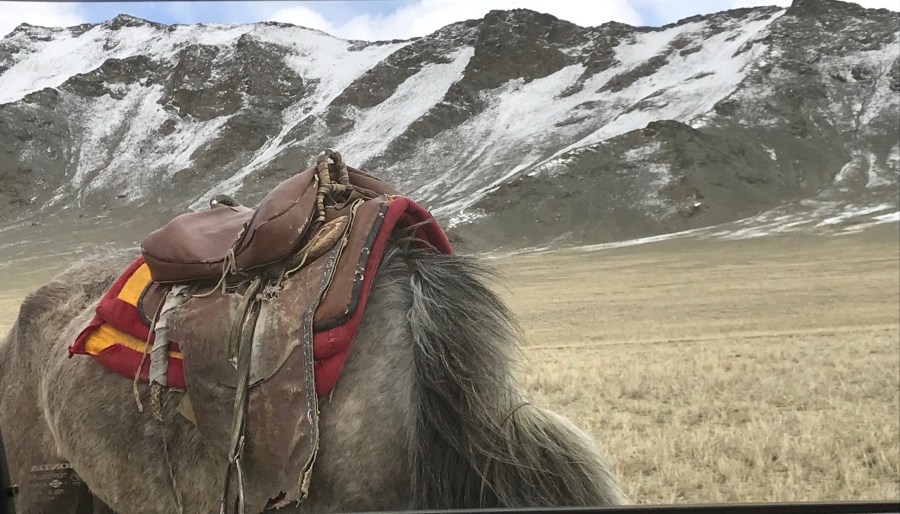
Travel Safety Tips for the Female Students Abroad Part 2.
Travel makes one modest, you see what a tiny place you occupy in the world. - Gustave Flaubert In continuation of my previous post Travel Safety Tips for the Female College Student Abroad Part 1. Here are some more tried and true steps and missteps that I have encountered during my travels abroad. Personal boundaries …
Continue reading Travel Safety Tips for the Female Students Abroad Part 2.
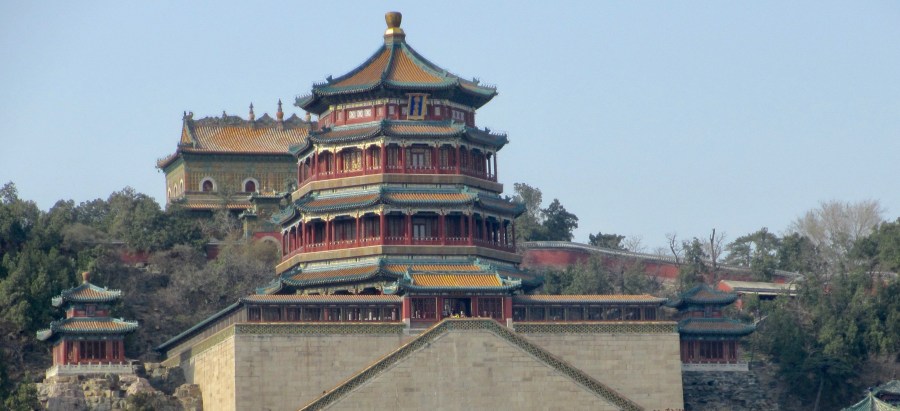
Translating Chinese Poetry: The Golden Lotus
In this post, I share my translations of a few poems from the infamous Ming dynasty (1368-1644) book, The Golden Lotus (金瓶梅), written by the anonymous Laughing Scholar of Lanling (兰陵笑笑生). The poems prove an interesting, somewhat uncomfortable, yet an absolutely intriguing insight into how femininity was perceived during the late Ming dynasty. These poems …
Continue reading Translating Chinese Poetry: The Golden Lotus
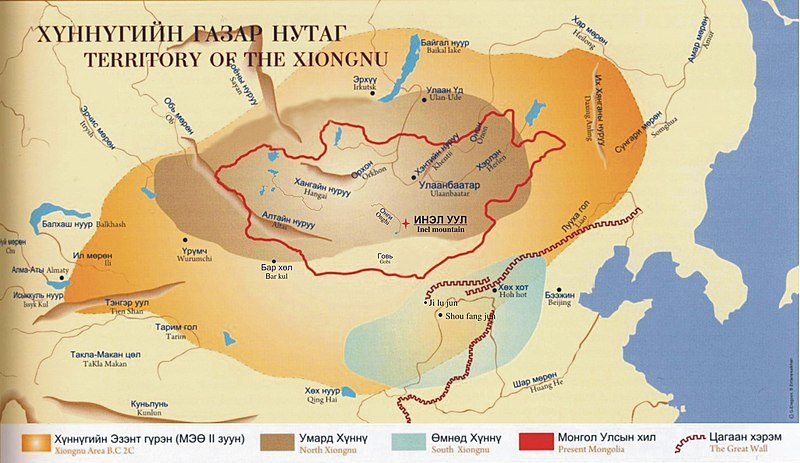
Translating Chinese: On the Xiongnu
In this post, I am sharing the Chinese translation for parts of an essay I wrote about the chapter on the Xiongnu (匈奴列传) from the Records of the Grand Historian (史记) by Sima Qian (司马迁). This essay was a written to bridge my studies in anthropology with Chinese history. On Translation: When I write in …
 Tales of a Wandering Ghost
You must be logged in to post a comment.