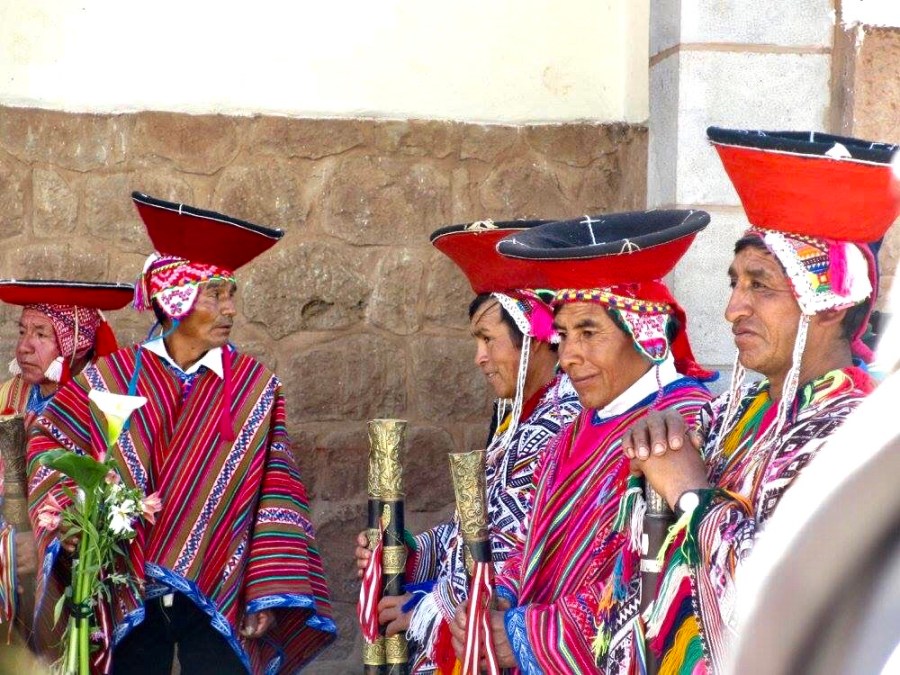
Pasaykamuy! Welcome!
The Quechua language or Runasimi (Runa= people +simi= language) is an indigenous language commonly spoken in the Andes. It is the official language of Perú and Bolivia alongside the Spanish and Aymara languages.
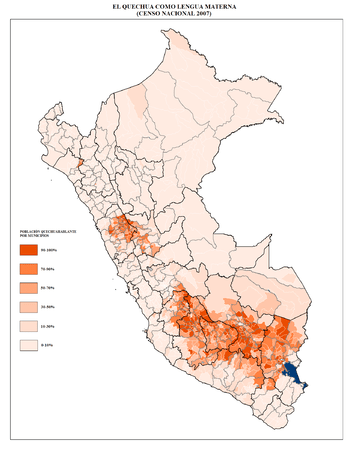
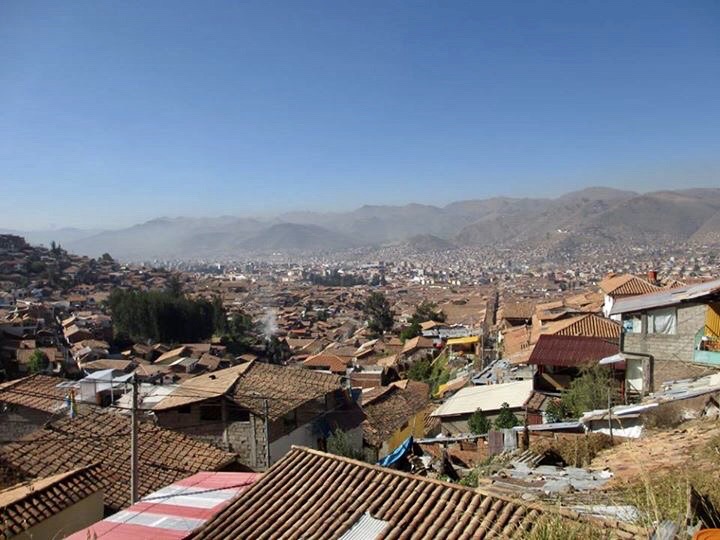
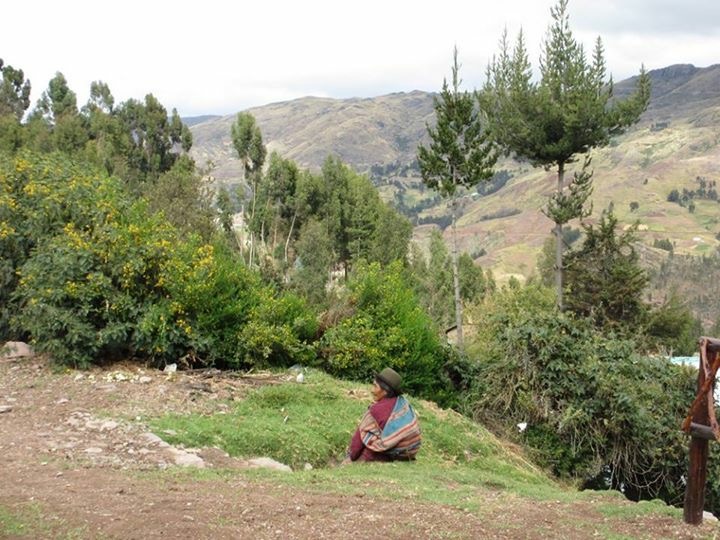
In 2017, I had the opportunity to travel to Cuzco, Perú to study and immerse myself into the Quechua language and culture. Before traveling to Cuzco, I had little to no knowledge about the language, history, and culture of the region but was excited to engage myself into something new and beyond my mental scope.
Quechua is an agglutinative language, meaning it has a suffix based grammar system. Other agglutinative languages include the Mongolian, Kyrgyz, Navajo and even Finnish languages. The grammar of Quechua is simply built up of many suffixes that are attached to various root words used to complete a sentence. Suffixes are, by far, the foundation of what makes a sentence functional for use and were the most intriguing part of the language for me.
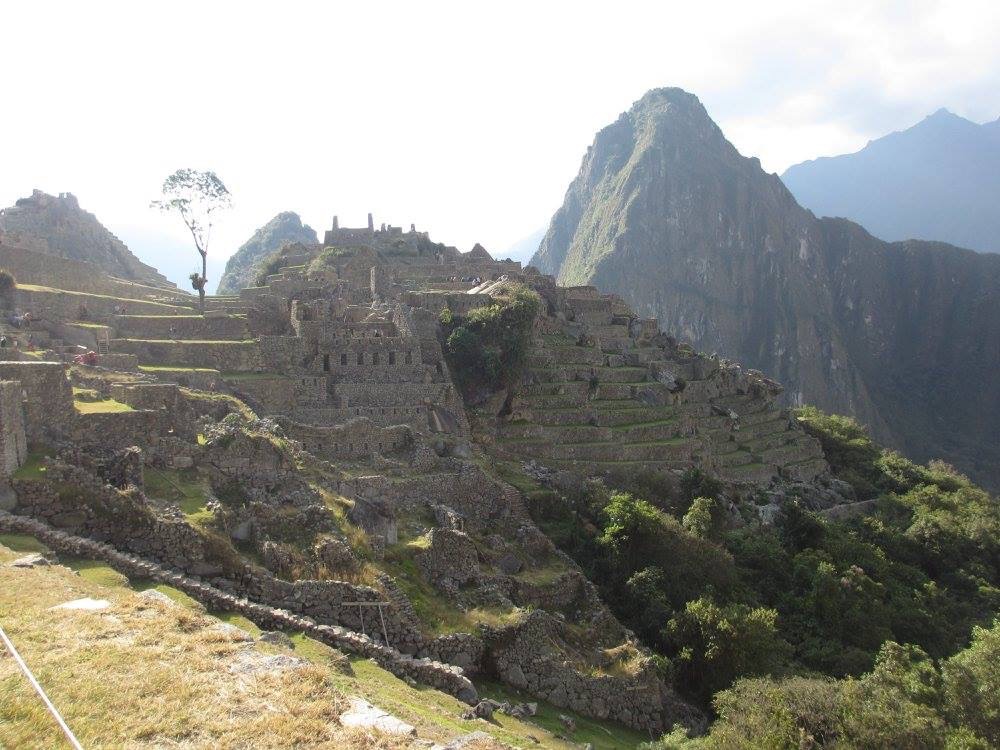
In these blog posts I will share some interesting tips and tricks I have developed while studying Quechua. I hope that they can help support ones foundation of the language for those interested in studying the language of the Incas!
Good luck and happy learning!
 Tales of a Wandering Ghost