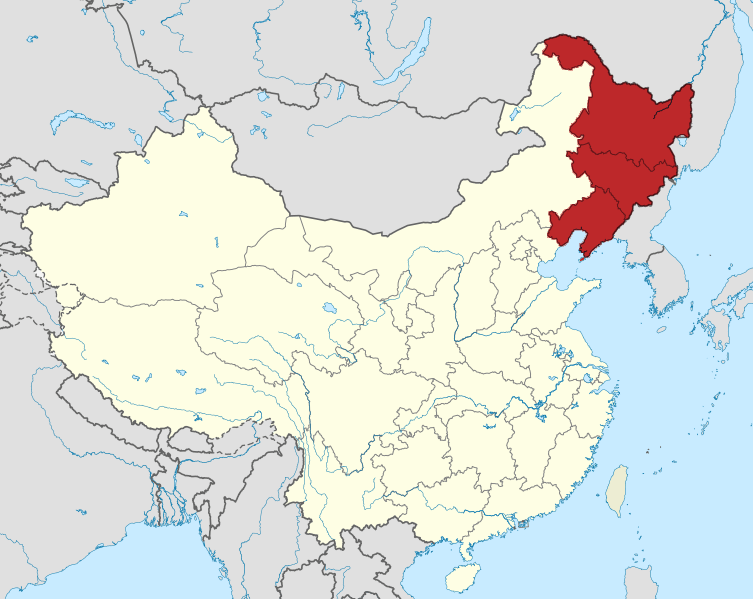
Northeastern China is made up of three provinces: Heilongjiang, Liaoning, and Jilin. Once upon a time, this region was called Manchuria.
In this post, I share a few of cultural facts and elements of this cherished region.
Famous sites
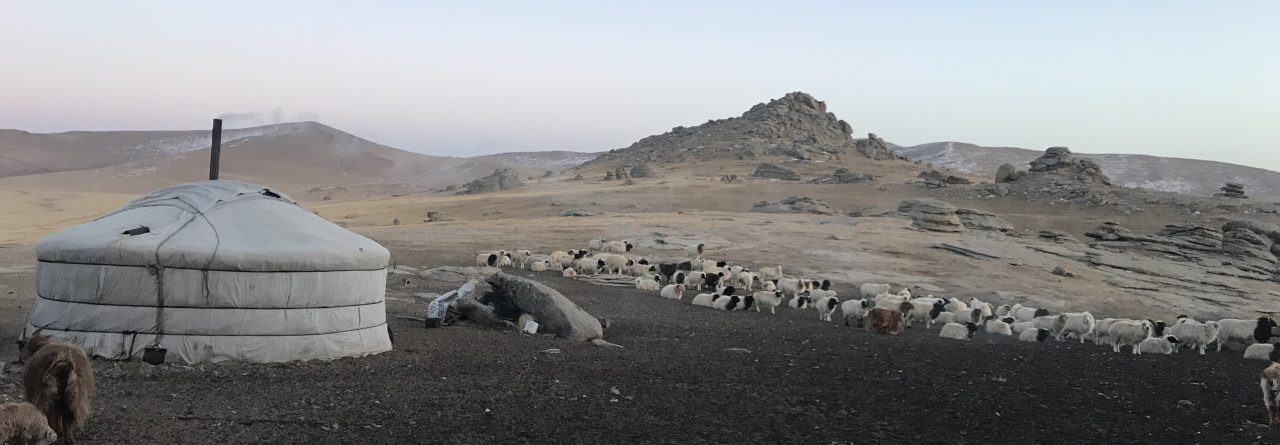
The Harbin Fire and Ice Festival is an annual event in Harbin city, Heilongjiang city. It is world-famous and is held during the entire month of January. You can walk through ice cities, drink milk tea in an Inner Mongolian yurt, admire ice sculptures from around the world, and take everlasting pictures of your hair freezing into icicles.
During the month of January, you can participate or watch a lot of winter sports like ice swimming, hockey, or very vicious snowball fights if you are brave enough in cold climates.
Changbaishan is a famous mountain range in Northeastern China. It is famous for bordering North Korea.
Here is a Manchurian song about Changbaishan, sung both in Manchu and Chinese languages.
The northern lights are often seen in Heilongjiang. If you want to view the spectacular natural northern lights, you can go to Qiqihar city near the border of Inner Mongolia.
Dance
Jiamusi (the city I lived in) had their own form of 广场舞 or Chinese sqaure dance that is called 快乐舞步 or Happy Dance. Some people called this Jiamusi square dance the northeastern zombie dance. Almost every night (before winter came) I joined my Chinese grandmother to the park to dance this famous Jiamusi city zombie dance. Here is a video to show what this zombie dance looks like:
The 二人转 or èr rén zhuàn is a folk dance genre from Northeastern China. It’s a style of dancing that involves fans (扇子 shànzi), and twirling red handkerchiefs (东北秧歌 dōng běi yāngge). This dance is called Errenzhuan or two people rotation because it involves only two dances, usually a female and a male dancer.
Cuisine
Northeastern Chinese cuisine is diverse and delicious. The cuisine is influenced by Mongolian, Chinese (Beijing and Shandong provinces), Manchurian, and Russian cuisines.
The northeastern Chinese cuisine is primarily made up of noodles (面 miàn), pickled cabbage (酸菜 suān cài), steamed buns (馒头 mán tou), and even Russian style borscht. My favorite Northeastern dishes are roasted and rolled cold noodles (烤冷面 kǎo lěng miàn)and caramelized sweet potatoes (拔丝地瓜). On the street, you can even find Shandong street foods such as Chinese pancakes or 煎饼果子 to eat.
While living in Heilongjiang province, I loved to buy frozen candied hawthorn (冰糖葫芦 bīng táng hú lu) and roasted sweet potato (烤地瓜 kǎo dì guā) from street vendors after a long rigorous day in Chinese high school. The Chinese hawthorn is a very common sweet in Northeastern China. A favorite candy among many in Northeastern China is called 山楂糕 shānzhā gāo or hawthorn candy rolls.
Languages
The official and most spoken language in this region is the Northeastern Chinese dialect and of course, Mandarin Chinese. There are still some Manchurian speakers left but Manchu is, sadly, becoming an extinct language. While walking the streets of Northeastern cities, you can hear Northeastern Chinese, Chinese, Russian, and sometimes Korean. I have also heard some Mongolian spoken on the streets of Jiamusi. However, I heard from locals that Qiqihar city is where you can hear more Mongolian spoken since it is close to the Northeastern border.
For more about Northeastern Chinese (dongbei) dialect, see my post here.
Northeastern Celebrities
Zhao Benshan 赵本山, is a famous Chinese comedian from Liaoning province. He is known for his use of Northeastern Chinese in his comedy.
Li Yugang 李玉刚, a native of Jilin province, is a famous Chinese opera singer known singing both male and female roles in opera.
Hangeng 韩庚 is a singer and former member of K-pop band Super Junior. He is from Heilongjiang province and a descendant of the Nanai ethnic group.
 Tales of a Wandering Ghost
Pingback: Learn Northeastern Chinese – Tales of a Wandering Ghost