To get used to reading and writing in Quechua, I recommend that you start drafting an introduction about yourself to memorize and later recite. This is extremely necessary to have memorized, especially for those rainy days when you suddenly don’t remember grammar rules or your mind is caught up with studying another language. I have been there and by memorizing certain phrases and how to introduce myself in a language that I don’t often use is helpful, especially when a stranger catches me off guard and asks me to say “something” in Quechua and the only phrases that are popping in my head are in Mongolian… It happens all the time and is perfectly normal.
Writing an introduction also aids in knowing how to effectively use grammar rules as well as how to introduce yourself to locals at San Pedro market or the Plaza de Armas in Cuzco.
Introduction:
Noqa sutiymi____. Albuquerque llaqta-manta kani (Nuevo Mexico Albuquerque llaqta-manta kani).
(My name is___. I am from the city of Albuquerque).
Noqa Iskay chunka watayuq kani/ Iskay chunka pusaqniyoq kani.
(I am 20 years old/ I am 28 years old)
*numbers take time to get used because the older you are, the longer the sentence will be*
Noqa chino-ta ruso-ta ingles-ta mongolta kusa rimani ichaqa pisillata runasimi-ta rimani.
(I speak Chinese, Russian, English and Mongolian well but I can speak little Quechua)
*Kusa means great! It can also be used for saying “Great Job!”*
Simikunamanta yachayta munani.
I like to learn languages.
Noqa Qosqopi iskay killa tiyarani.
I lived in Cuzco for two months.
Asking questions:
Pin kanki? = Who are you?
Ima mihuranki? = What did you eat?
Maypin llank’ashanki? = Where do you work?
Imata ruashanki? = What’s up?
Ima uywakunata uywanki? = What kind of animals do you raise?
Kasaruchu kanki? = Are you married?
Ima peliculakunata aswanta qhawayta munanki? = What movies do you like the most?
Hayk’a ayllukichispa kanchis? = How many people are in your family?
Imataq ruwanchisman kunan tuta? = What shall we do tonight?
Hayk’a runakuna ayllupi runasimita rimanki? = How many people speak Quechua in your family?
Intindinkichu? = Do you understand?
Imaninchismi kayta runasimipi? = How do you say this in Quechua?
Ima ninanchismi ___? = What does ___ mean?
Hayk’a simikunata rimanki? = How many languages do you speak?
Maymantan kanki? = Where are you from?
Some more useful Vocabularies:
Ichapa= So (Entonces)
Ichapas= Maybe (Tal vez)
Hina= like (Como)
Hinapas= So (Así)
Hinalla= That is so (Que este así)
Chaymanta= After (Despues)
Imarayku= Why (Porque)
Ama hina kay= Please (Por favor)
Chayrayku= Thus; Therefore (Por eso, por lo tanto)
Hinamanta= Even if (Aunque)
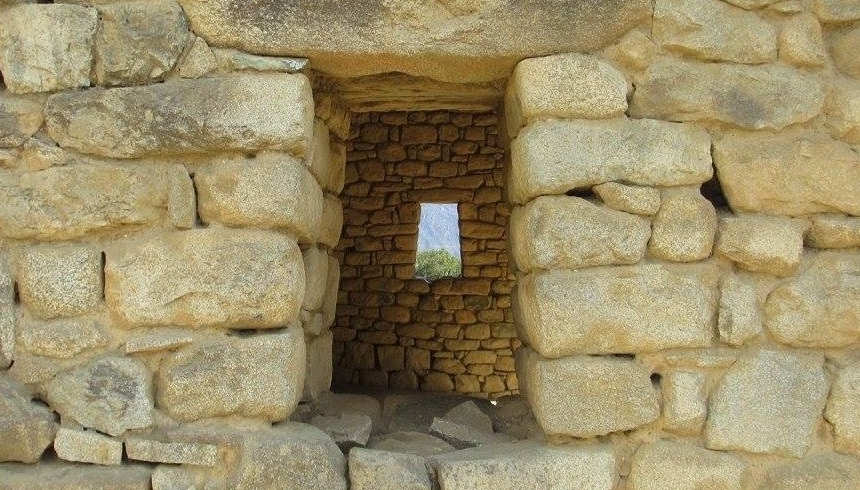
Banner image taken by me at Machu Picchu.
 Tales of a Wandering Ghost